


Positively identify every patient — even when they can't speak
A contactless palm scan identifies the patient on registration and at every touchpoint, links them to the correct record, and prevents misidentification. It works when patients are unconscious, confused, or unable to speak — and because nothing touches the scanner, it's hygienic by design.
One palm, one MRN — the right record, every time
When a patient is registered in a medical facility's electronic records system, they are issued an MRN (medical record number). A contactless palm scan ties the patient to that MRN number but does not directly connect to any hospital systems, removing integration concerns. A quick scan retrieves the correct record. It works when patients are unconscious, confused or unable to speak — and because nothing touches the scanner, it's hygienic and non-invasive by design.
From registration to record in two seconds
Enroll at registration
A quick contactless scan of each palm captures 5 million vein points and links the patient to their record — once.
Present the palm
At any touchpoint, the patient simply holds their hand above the scanner. Nothing to swipe, type, or remember.
Match to the record
A liveness-checked match positively identifies the patient and pulls up the correct chart in under two seconds.

Stop misidentification, duplicates, and wristband errors
When identity is positive, the downstream errors disappear. There are no duplicate records, medical overlaps or overlays to reconcile, no wristband mix-ups, and no risk of the wrong patient receiving another's treatment. Every encounter is tied to the same verified person from admission to discharge.
- Eliminates duplicate records, medical overlaps and overlays
- Prevents wristband and misidentification errors
- Works when patients are unconscious or can't speak
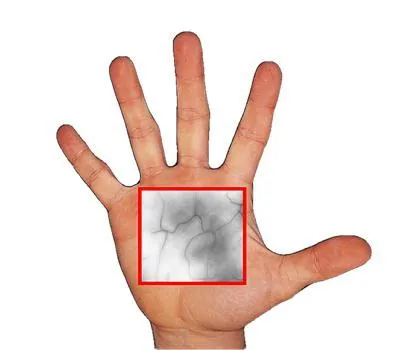
No touch surface means infection control by design
The patient never touches the scanner — the palm is simply held above it. There is no shared surface to clean between patients and no contact point to spread infection, making palm vein the natural fit for a clinical environment. The vein pattern itself is internal, so it can't be lifted, copied, or stolen the way a fingerprint or card can.
- Contactless — no surface to touch or sanitize
- Internal vein pattern can't be copied or stolen
- Built on Fujitsu PalmSecure, proven for 20+ years
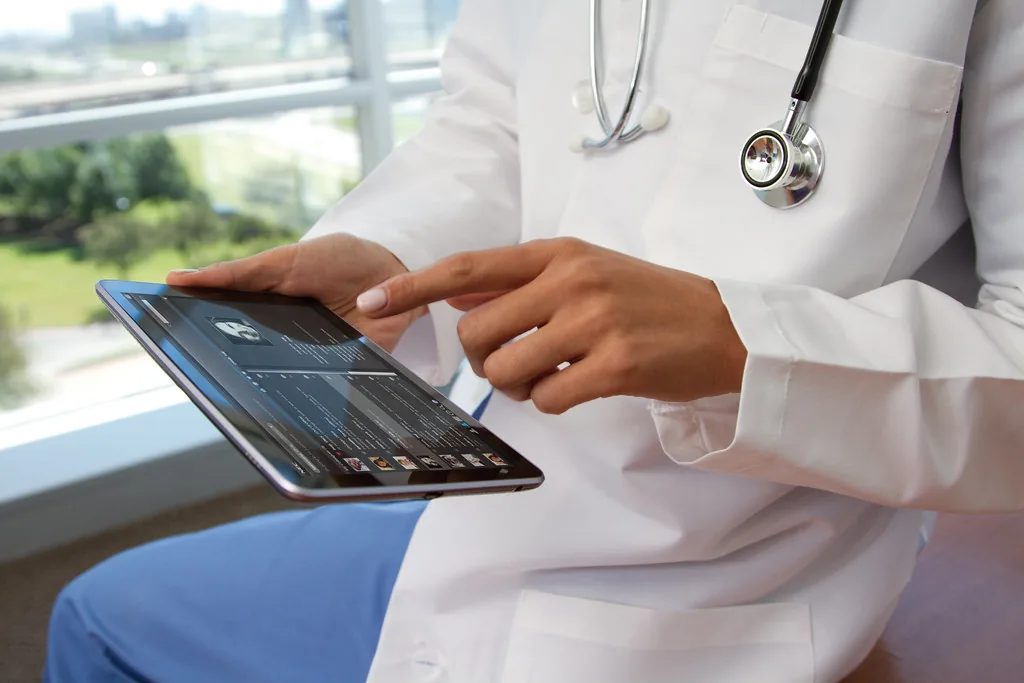
Only the right hands reach the record
The same palm vein biometric that identifies the patient also secures clinician access to electronic records. Pairing Patient Identity Integrity with HotKeyID retires the shared, forgotten, and phished passwords that put privileged data at risk — doctors, nurses, and staff sign in with a contactless scan and nothing to lose or borrow.
Related solutions
Make patient identity certain
Tell us your points of care and EHR and we'll scope a palm vein deployment. Call 215-627-2651 or send a message.