What is a biometric access control system?
A biometric access control system uses unique biological characteristics—such as palm vein patterns, fingerprints, or facial features—to verify identity before granting physical or digital access. Unlike cards or PINs that can be lost, shared, or stolen, biometric credentials are inherently tied to the individual. Our systems use contactless palm vein scanning technology that maps the unique pattern of veins beneath the skin, creating an identifier derived from 5 million data points that cannot be duplicated, even by identical twins.
What are the four main types of biometrics?
The four primary biometric modalities are fingerprint recognition (analyzing ridge patterns on fingertips), facial recognition (mapping facial features and geometry), iris recognition (scanning unique patterns in the colored ring of the eye), and palm vein recognition (imaging the vascular patterns beneath the skin). Palm vein technology—which we specialize in—offers superior security because the biometric data exists beneath the skin surface, making it impossible to replicate or spoof, while providing contactless operation for hygiene and convenience.
How does palm vein scanning compare to fingerprint or card-based systems?
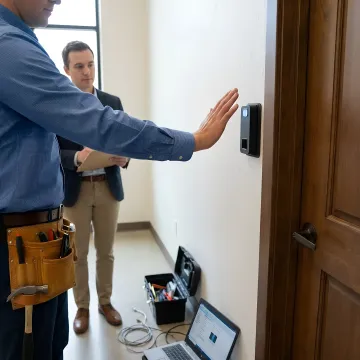
Palm vein biometrics offers significant advantages: it's contactless (reducing hygiene concerns and wear), cannot be copied or forged (vein patterns are internal), works reliably in harsh environments (unaffected by dirt, moisture, or skin conditions), and delivers 99.99991% accuracy. Unlike fingerprint systems that can be fooled with lifted prints or card systems vulnerable to sharing and theft, palm vein scanning verifies the living person with liveness detection built into every scan. Verification takes under 2 seconds with virtually no false acceptance.
Can your biometric systems integrate with our existing access control infrastructure?
Absolutely. Our ePortPass and other solutions are designed to work alongside your current access control platforms. We support industry-standard interfaces including Wiegand (in any bit format) and OSDP protocols, allowing seamless integration with existing door controllers, turnstiles, gates, electric strikes, and mag-locks. You can deploy biometric authentication as an enhancement to your current system without costly replacement of functioning infrastructure. We also offer standalone configurations and network-connected deployments for multi-site visibility.
What happens if someone tries to use a fake credential or forces entry?
Our systems include liveness detection that verifies blood flow during each scan, preventing spoofing attempts with photographs, molds, or replicas. Denied access attempts trigger real-time alerts to your security team, logging the timestamp, location, and attempted credential details. The system tracks unusual patterns—such as multiple failed attempts or former employees trying to access after termination—and generates comprehensive audit trails. For critical infrastructure applications, we can integrate with alarm systems and surveillance to provide layered security responses to unauthorized access attempts.
How long does installation typically take, and will it disrupt our operations?
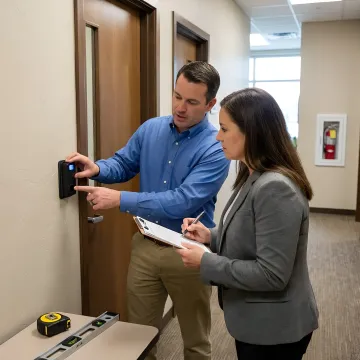
Installation timelines depend on facility size and system complexity. A basic deployment with 3-5 access points can typically be completed in 1-2 days. Larger enterprise installations are phased to minimize operational disruption, often scheduled during off-hours or weekends. Our equipment attaches to existing doors, turnstiles, and gates without major modifications. During consultation, we develop a deployment plan that aligns with your operational requirements, ensuring critical access points remain functional throughout the installation process. Post-installation training ensures your team can manage enrollments and system administration independently.
What are the ongoing costs and maintenance requirements?
Our biometric systems are designed for reliability with minimal maintenance. Palm vein scanners have no moving parts and operate reliably for years in industrial environments. Typical ongoing costs include optional software licensing for enterprise features, periodic system health checks, and enrollment of new users. Many clients see ROI within 3-6 months through elimination of credential replacement costs, reduced time theft (buddy punching), and decreased payroll processing expenses. We offer service agreements tailored to your operational requirements, ensuring systems remain current with firmware updates and security patches.
Is biometric data stored securely, and what about privacy regulations?
Privacy and data security are fundamental to our design. Biometric templates are mathematically derived representations—not images—that cannot be reverse-engineered to recreate the original vein pattern. Data is encrypted both in transit and at rest. We support on-premises storage architectures where biometric data never leaves your network, giving you complete control. Our systems comply with biometric privacy regulations including BIPA and GDPR frameworks. During consultation, we configure data handling policies that meet your regulatory requirements and corporate governance standards.