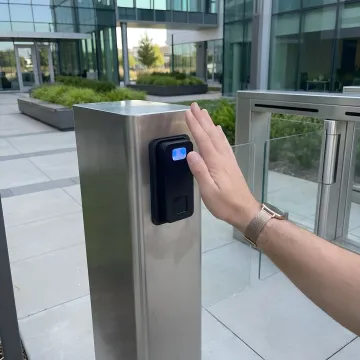
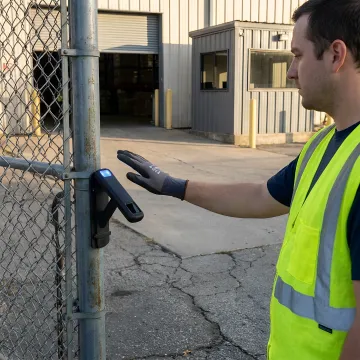
How does palm vein biometric technology work for gate access control?
Palm vein scanning uses near-infrared light to capture the unique vein pattern inside your palm—a pattern formed by 5 million data points that no one else shares, not even identical twins. When you hold your hand over the reader, it verifies your identity in under 2 seconds with 99.99991% accuracy. This contactless technology checks for liveness during verification, making it impossible to spoof with photos or replicas, unlike fingerprint or facial recognition systems.
Can your gate access systems integrate with our existing security infrastructure?
Yes. Our systems interface with existing access control infrastructure through industry-standard Wiegand or OSDP protocols, allowing seamless integration with gate controllers, turnstiles, electric strikes, and mag-locks you already have in place. You can replace insecure RFID cards entirely or integrate them into a multi-factor authentication setup combining biometric, card, and PIN verification. Installation is quick with minimal disruption to operations.
What types of gates and entry points can your systems secure?
Our gate access control systems secure vehicle gates (with driver and passenger verification), pedestrian gates, turnstiles, standard doors, warehouse loading docks, and perimeter access points. The technology works equally well for single-entry checkpoints or multi-gate facilities requiring centralized management. We serve warehouses, factories, seaports, airports, power stations, oil rigs, research labs, data centers, and critical infrastructure across 16 federally designated sectors.
How quickly can someone gain access through the gate system?
Verification takes under 2 seconds from the moment a person places their hand over the scanner. The system instantly checks identity, validates permissions, and triggers gate release if authorized. For vehicle gates, both driver and passenger verification can be completed in under 5 seconds total. This speed maintains security without creating bottlenecks at high-traffic entry points during shift changes or peak operational hours.
What happens if someone tries to use a stolen or shared credential?
Biometric palm vein patterns cannot be lost, shared, stolen, duplicated, or transferred. Each person's vein pattern is biologically unique and remains inside their body, eliminating the vulnerabilities of cards, fobs, or PINs that can be borrowed or stolen. The system provides real-time alerts for denied entry attempts and creates complete audit trails showing who attempted access, when, and whether entry was granted or denied, making accountability absolute.
Does the system work for both employees and temporary visitors or contractors?
Yes. Employees can be enrolled with permanent credentials and full access permissions. Temporary visitors, vendors, and contractors can be enrolled with time-bound, location-specific permissions that automatically expire. The system tracks entry, exit, and duration for every person, creating complete accountability. Access rights can be instantly modified or revoked centrally, and the system prevents former employees from accessing facilities after termination.
How does your seaport gate system handle TWIC verification?
Our SeaPortPass solution integrates Transportation Worker Identification Credential (TWIC) verification with palm vein biometrics. The system checks and validates TWIC cards against the TSA Cancelled Card List in real time, ensuring credentials are active and legitimate before granting access. This two-layer verification—card validation plus biometric identity confirmation—provides maritime facility security compliant with federal regulations while preventing credential fraud and unauthorized access.
What kind of reporting and audit trail does the system provide?
The system generates comprehensive audit trails with time-stamped records of every entry attempt, successful access, denied entry, duration of presence, and exit. Reports can track unusual access patterns, repeated denial attempts, after-hours access, and access by terminated employees. Real-time alerts notify security personnel of policy violations or suspicious activity. All data can be exported for compliance reporting, security investigations, or integration with broader security management systems for a complete operational picture.