What is MTSA and which facilities does it regulate?
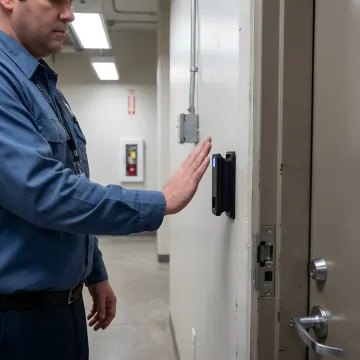
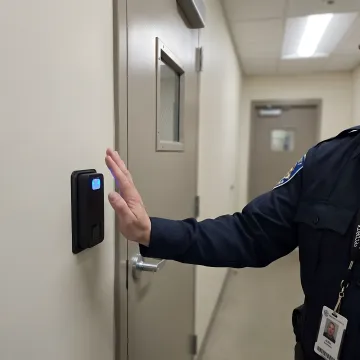
The Maritime Transportation Security Act (MTSA) is federal legislation requiring security programs for vessels and facilities that may be involved in a Transportation Security Incident. MTSA-regulated facilities include seaports, marine terminals, certain offshore facilities, and critical maritime infrastructure. These facilities must implement security measures including access control, credentialing systems like TWIC, and perimeter security. Our biometric solutions are specifically designed to meet MTSA compliance requirements while providing superior security through contactless palm vein verification that integrates with TWIC credentials in real time.
How does your system verify TWIC credentials in real time?
Our SeaPortPass system integrates directly with the TSA Cancelled Card List to verify TWIC credentials in real time during the authentication process. When a worker presents their TWIC card, the system instantly checks its validity against the current TSA database, ensuring the credential hasn't been revoked, expired, or reported lost or stolen. This verification happens in under 2 seconds alongside the contactless palm vein biometric scan, creating a two or three-part authentication process that confirms both the credential and the person are authorized for facility access.
Can your biometric system integrate with our existing access control infrastructure?
Yes, our ePortPass system is designed for seamless integration with existing access control solutions. It interfaces via industry-standard Wiegand or OSDP protocols, allowing it to communicate with your current gate controllers, turnstile systems, and access management software. The equipment can also power electric strikes or mag-locks directly. Installation is quick and non-invasive—our units attach to doors, turnstiles, pedestrian gates, and vehicle gates without requiring infrastructure replacement. This approach protects your existing investment while upgrading security to contactless biometric verification that meets MTSA compliance standards.
What happens if someone tries to use a shared or stolen credential?
Our contactless palm vein biometric technology makes credential sharing or theft ineffective because it verifies the actual person, not just the card or PIN. The system captures a biometric template from 5 million unique points in the palm's vein pattern—a pattern that cannot be duplicated, even by identical twins. When someone attempts access, the system performs real-time liveness detection and matches the live palm scan to the enrolled template. If the biometric doesn't match the credential holder on file, access is denied immediately and the attempt is logged in the audit trail with timestamp and location data.
How quickly can workers be enrolled in the biometric system?
Worker enrollment in our palm vein biometric system takes approximately 60-90 seconds per person and requires no special training. The process is simple: workers hold their hand over the contactless scanner while the system captures their unique vein pattern. This enrollment happens once, and the biometric template is securely stored in the system. From that point forward, every access verification takes under 2 seconds. For facilities transitioning from card-only systems, we provide enrollment support and can process large groups of workers efficiently during scheduled enrollment sessions to minimize operational disruption.
What audit trail and reporting capabilities does the system provide?
Our system creates a comprehensive entry audit trail with entry, exit, and duration tracking for every access event. The system logs real-time data including worker identity (verified biometrically), timestamp, location, credential used, and access decision (granted or denied). You receive real-time alerts for denied entry attempts, unusual access patterns, or when former employees attempt access after termination. All audit data is stored securely and can be exported for compliance reporting or security investigations. The system also supports vendor and contractor enrollment with time-bound, location-specific permissions that automatically expire.
How does the system prevent tailgating and unauthorized entry?
Our biometric access control system prevents tailgating and unauthorized entry through several mechanisms. First, the contactless palm vein scan verifies each individual's identity independently—one person cannot gain access using another person's credentials or by following closely behind. The system can be configured with anti-passback rules that prevent the same credential from being used twice without an exit event. For high-security applications, the biometric readers can be paired with turnstiles or mantraps that physically control one-person-per-authentication access. The system also logs all denied attempts and unusual patterns, alerting security personnel to potential tailgating or piggybacking attempts in real time.
What is the return on investment timeline for implementing this system?
Based on deployments at similar facilities, our biometric security systems typically achieve ROI within 6-12 months through multiple value streams. Direct savings come from eliminating credential replacement costs, reducing security personnel requirements for manual ID checks, and preventing time theft through buddy punching. Facilities also see operational efficiency gains as workers move through access points faster with 2-second biometric verification versus manual checks. For MTSA-regulated facilities, the compliance benefits—including automated audit trails, real-time TWIC verification, and reduced risk of security incidents—provide additional value that strengthens security posture while meeting regulatory requirements.